A bit about me

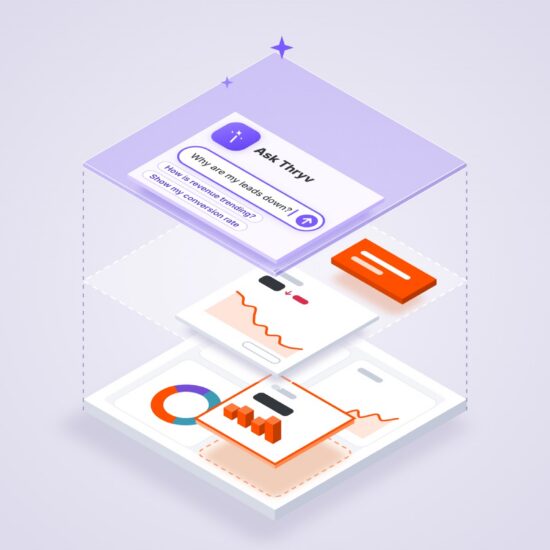
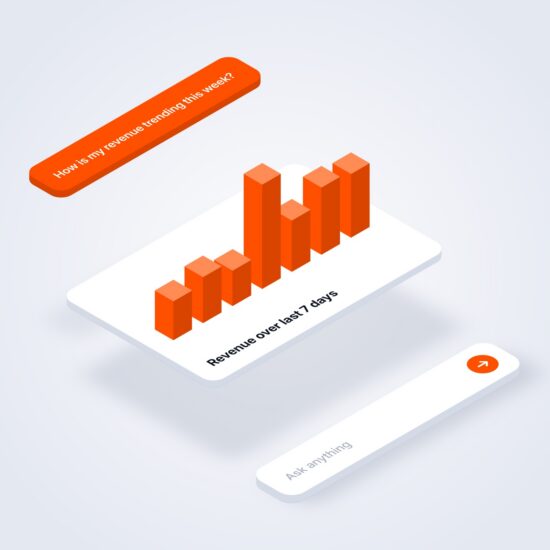
I’m a Lead Product Designer specializing in AI product design for B2B SaaS, with 18 years at companies like Thryv, CrowdStrike, Experian, and LinkedIn. I design LLM-powered features end to end, from grounding answers in trusted data to AI output quality, tested in user research and usability studies with React prototypes running live AI. With Claude Code, MCP, and Figma, I architected a documented design system from atomic components to templates. At Thryv, I built a React chart library designers plug into Claude and engineers pull into product. As a lead, I set design direction and help designers grow.

Experian

Free Score Entry

Onboarding users toward paid subscriptions

Project
Overview

As a Sr. Product Designer at Experian (a leading credit bureau focused on consumer credit education and monitoring), I contributed to the Free Score Entry project, a micro-experience designed to provide non-Experian users with a free credit score through basic information input, ultimately encouraging sign-up for premium services. This several-month effort created a streamlined entry point for individuals new to credit management, aiming to build engagement and convert free users to paid subscribers.

Contributions: User research, wireframes, high-fidelity mockups and interactive prototypes.

Wireframe Hi-Fidelity

Core
Challenges

Users frequently expressed skepticism toward “Free Score” offerings, wary of other companies’ commitments that demanded full sign-up before revealing scores, resulting in significant drop-offs and lost conversion opportunities.

Key Insights:

Drop-off Rate 0

Skepticism 0

Conversion Loss 0

User
Insights

Insights gathered from discussions and a deep understanding of users helped shape an intuitive, user-centric design.

Pain Points
1

Data Privacy Concerns

Users hesitated to input personal info due to fears of data misuse, leading to high abandonment rates during onboarding.

2

Form Complexity

Confusing form fields and excessive questions frustrated beginners, causing delays and drop-offs in the score access process.

3

Skepticism from Competitors

Past experiences with rival services requiring full sign-up before scores bred distrust, reducing willingness to engage.

These challenges helped guide our two distinct persona types (e.g. "Curious Non-User" and "Engaged Free User") confirming early insights which helped shape the UX and final design.

Personas

Curious Non-User (New to Credit)

Demographics: Individual new to credit, 18-30, unfamiliar with monitoring tools, seeking basic financial insight.

Goals/Needs: Access a quick, no-commitment credit score to understand financial standing, with minimal effort and clear guidance.

Pain Points: Distrust in data sharing, overwhelmed by complex forms, and frustration with sign-up demands from competitors.

Behaviors: Has explored other free product offerings but hesitant to commit to drawn out sign-up processes.

Design Influence: Inspired a visual streamlined form and instant score to ease entry for newcomers.

Curious Non-User

Engaged Free User (Active Explorer)

Demographics: Regular user, 25-40, familiar with free scores, interested in financial growth.

Goals/Needs: Seek frequent score updates and educational resources to track progress, with an eye toward premium features.

Pain Points: Limited depth in free insights, occasional delays in updates, and unclear upgrade paths from competitors.

Behaviors: Actively used Experian’s Free Score for regular checks, valuing instant results and tips, which sparked curiosity about premium tools.

Design Influence: Drove the addition of educational content and gentle upsell prompts to enhance engagement.

Engaged Free User
Competitive Analysis

Early Findings

I evaluated prominent products offering free credit access for consumers, such as Credit Karma, Credit Sesame, CreditWise, and myFICO, which often required sign-ups. This assessment revealed gaps in onboarding simplicity and conversion strategies that Experian’s Free Score feature sought to address by providing a true, no-commitment glimpse of users’ credit scores with minimal effort.

1

Market Dominance

Credit Karma held a dominant 80 million users with its free score access, but sign-up requirements led to 40% onboarding drop-offs.

2

User Complaints

Credit Sesame offered free monthly scores, but 35% of users reported accuracy issues and spam in reviews.

3

Sign-Up Barriers

TransUnion required sign-up for full monitoring, contributing to 60% inefficiency in onboarding.

4

Trust Gaps

People were wary of handing personal details to credit companies and worried about how their data would be used.

Competitor Overview

Leading Competitors: TransUnion, Credit Karma and Credit Sesame

Wireframes

Low-Fidelity Wireframes for Initial Testing and Validation

Low-fidelity wireframes were developed to facilitate initial testing and validation with stakeholders and users, helping evolve the overall direction by streamlining clicks in the user experience. This ensured a quick, intuitive path for non-users to access a free score, aligning with business goals of increasing sign-ups and premium subscriptions.

Mood Board

Establishing Visual Aesthetics

The mood board was created to explore a modern, blue-toned design with clean lines and financial motifs, guiding the team’s creative freedom while aligning with Experian’s brand identity. We worked closely with the brand and marketing teams to ensure the aesthetic, featuring charts and currency elements, fit with existing styles.

Testing and Outcomes
1

Exploration Approach

Initial discovery kicked off with user research and competitive analysis, engaging 3-5 non-users and free users with wireframes to assess their first impressions.

2

Feedback Integration

User testing with hi-fidelity prototypes refined the flow, focusing on simplifying form inputs and boosting trust through clear data privacy assurances, while working closely with a motion study expert helped shape the animations and transitions to enhance interactions.

3

Outcome Insights

Feedback highlighted the appeal of instant scores and educational content, and people trusted the free experience more than rival offers.

TestingOutcomes

Business
Targets

Deliver a truly free score experience to boost user acquisition and retention while driving premium subscriptions, supporting Experian’s growth strategy by offering a simple onboarding process, instant score results with educational tips, and strategic upsell prompts for mobile app features.

Target increase (%)

20
Subscription Growth
15
User Acquisition
10
User Retention

Key
Objectives

Provide an easy entry for free credit scores through a simple, visually appealing UI, helping create user investment and product adoption toward paid subscriptions.

Ease
Onboarding

Divider

Design a simple user flow for basic info input, reducing barriers for new users with a true non-commitment experience.

Build
Engagement

Divider

Deliver instant score results with educational tips, inspiring further exploration of credit tools and resources.

Drive
Conversion

Divider

Integrate upsell prompts for mobile app features, enhancing sign-ups from free score access and engagement.

Reflection &
Learnings

This project highlighted the strength of a simple, thoughtful UX onboarding experience for non-users, successfully delivering a no-strings “free score” experience.

If given the opportunity to revisit, I’d conduct deeper upfront interviews with non-Experian users (beyond those already using basic features) and broaden persona types to better understand individuals new to Experian’s offerings.

Project
Success Metrics

Free Score Entry made onboarding faster for people new to Experian. Paid sign-ups grew within the first three months after launch, and more people came back to explore their credit and the tools Experian offered with their score.

Onboarding Efficiency

Divider

Reduced onboarding time by 40%, with 70% of users completing the whole process within 3 minutes, based on Experian user analytics after launch.

Conversion Growth

Divider

Increased paid sign-ups by 15% within the first 3 months after launch, as more free score users chose to upgrade to Experian’s paid credit monitoring plans.

Engagement Boost

Divider

Achieved a 25% rise in return visits for credit tool exploration in the months after people first got their free score and tips, per Experian internal metrics on user retention.

Other Case Studies