A bit about me

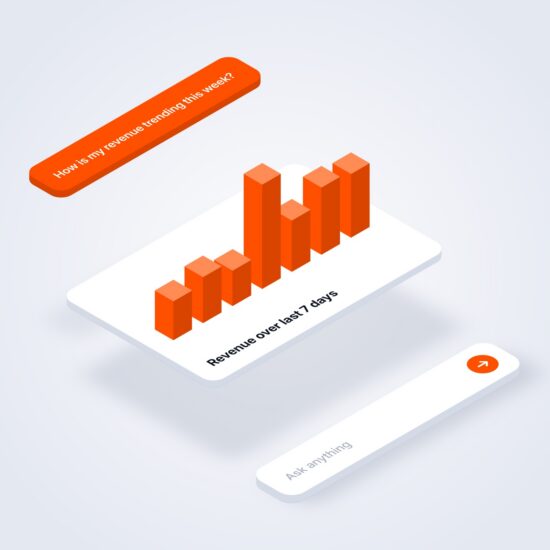
I’m a Lead Product Designer specializing in AI product design for B2B SaaS, with 18 years at companies like Thryv, CrowdStrike, Experian, and LinkedIn. I design LLM-powered features end to end, from grounding answers in trusted data to AI output quality, tested in user research and usability studies with React prototypes running live AI. With Claude Code, MCP, and Figma, I architected a documented design system from atomic components to templates. At Thryv, I built a React chart library designers plug into Claude and engineers pull into product. As a lead, I set design direction and help designers grow.

Experian

Card Offerings

Credit card offers with clearer filters and score previews

Project
Overview

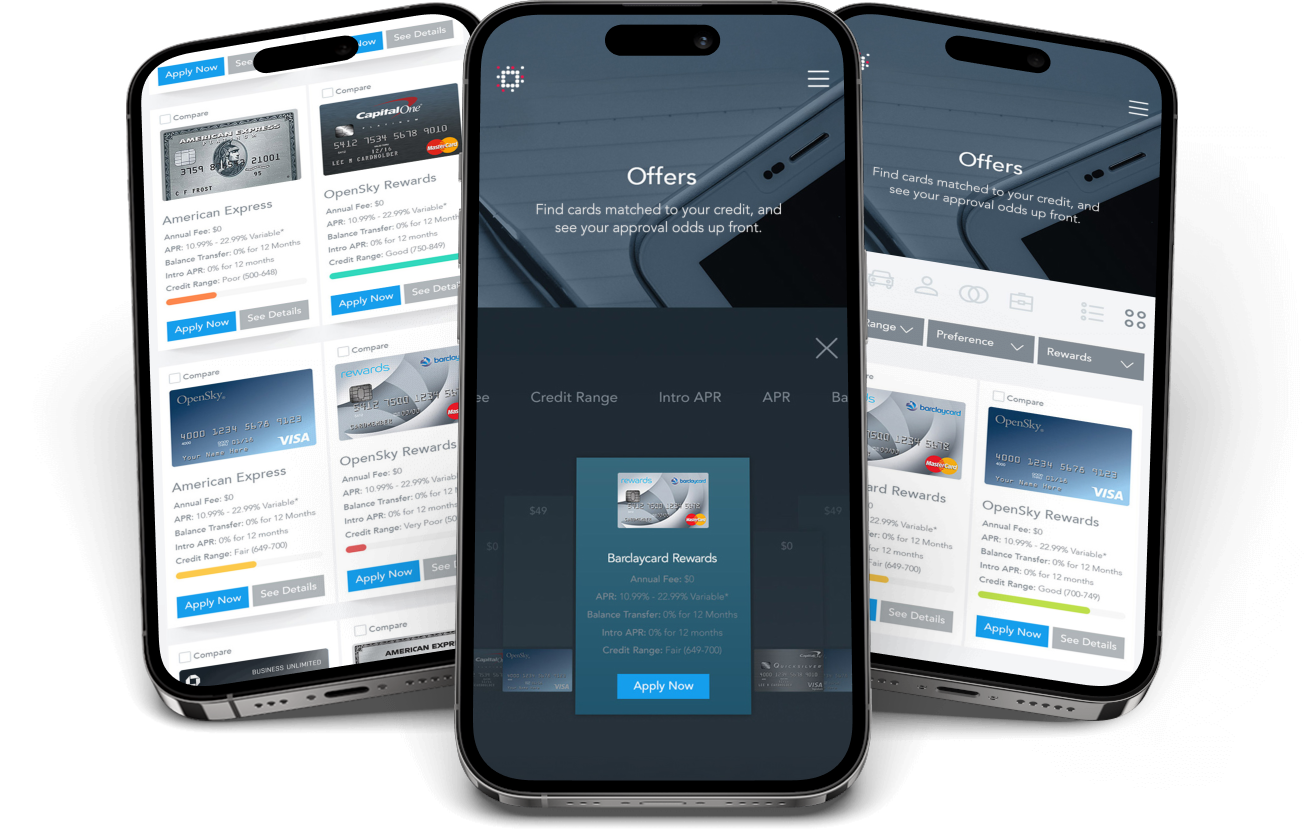
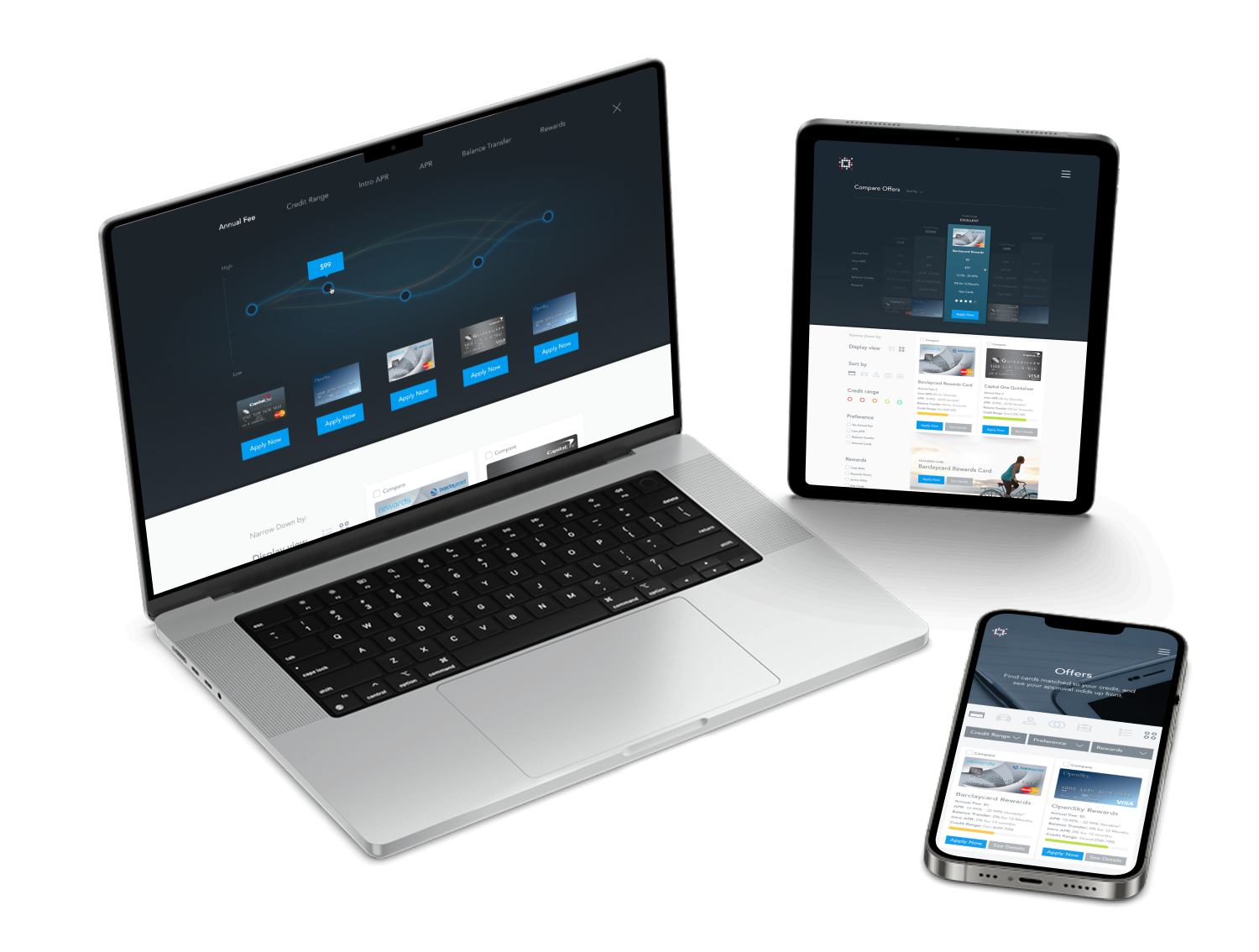
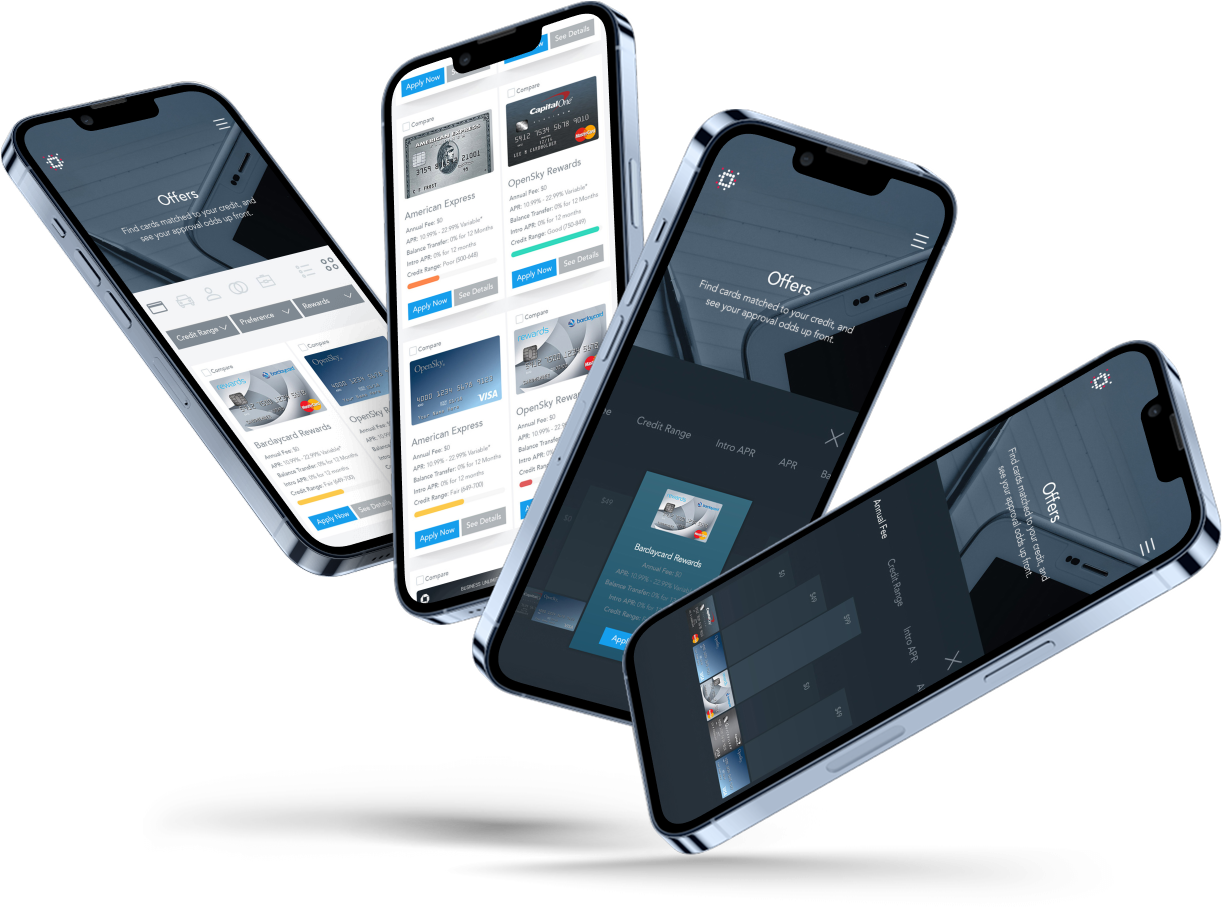
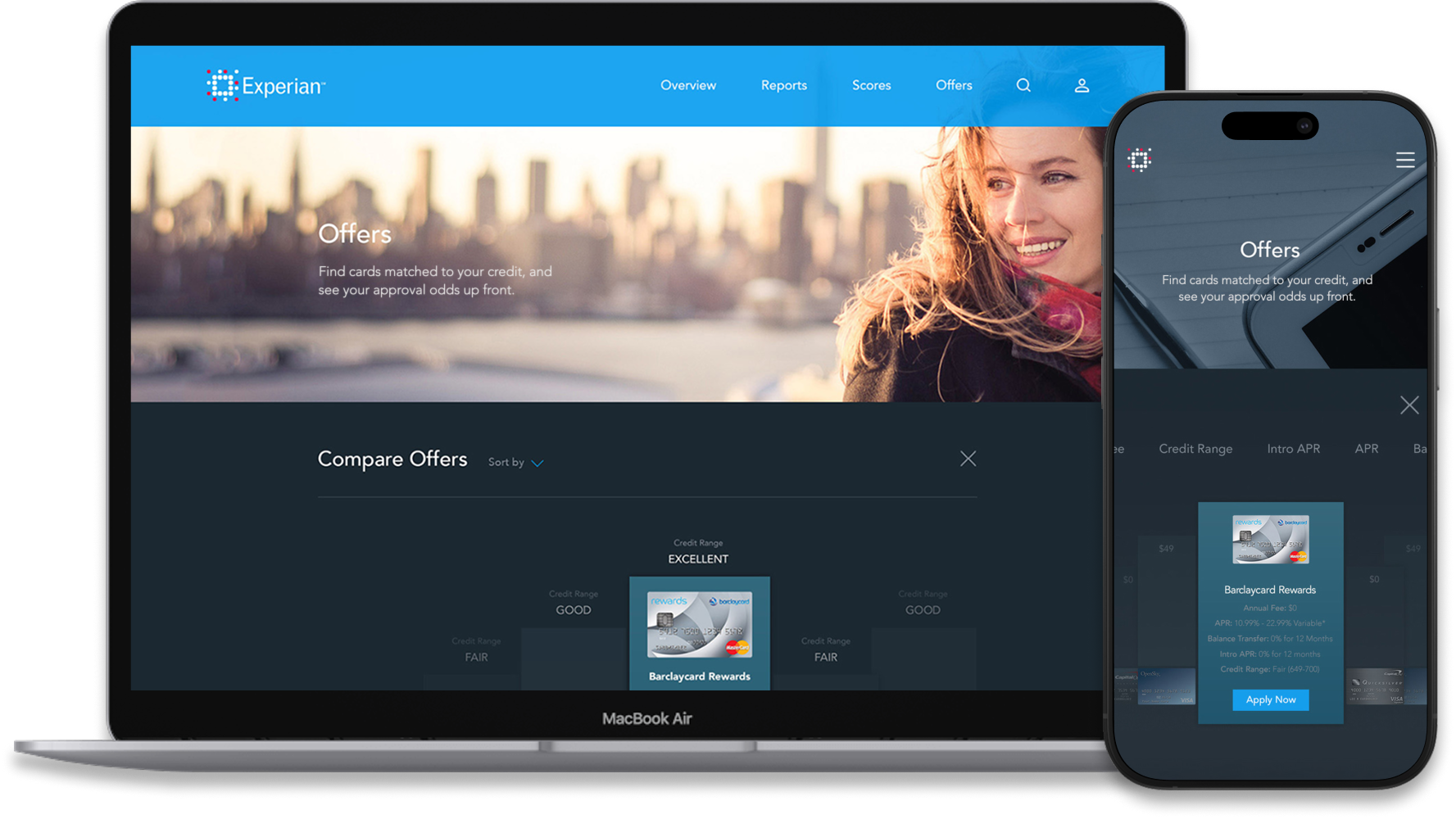
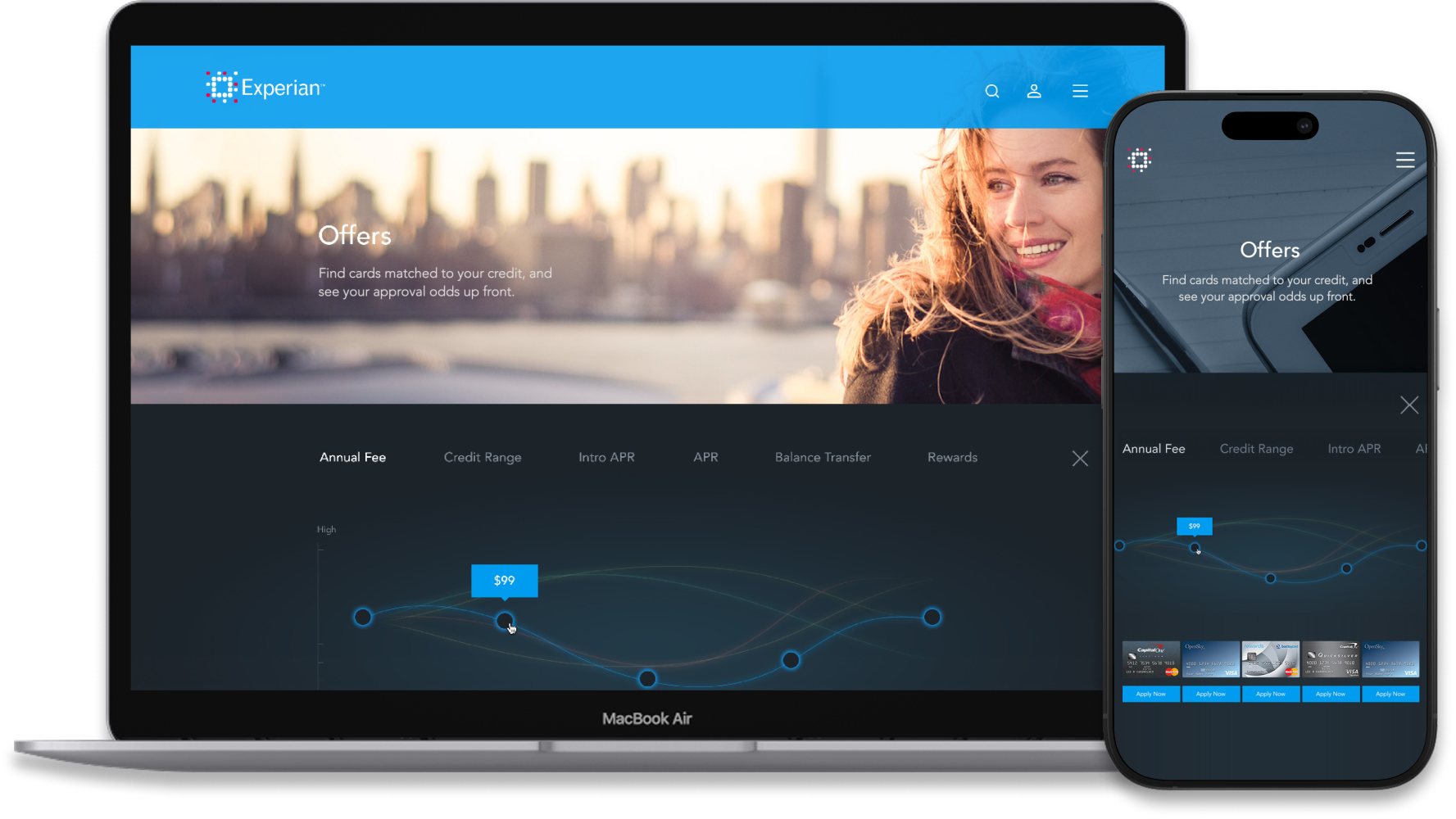
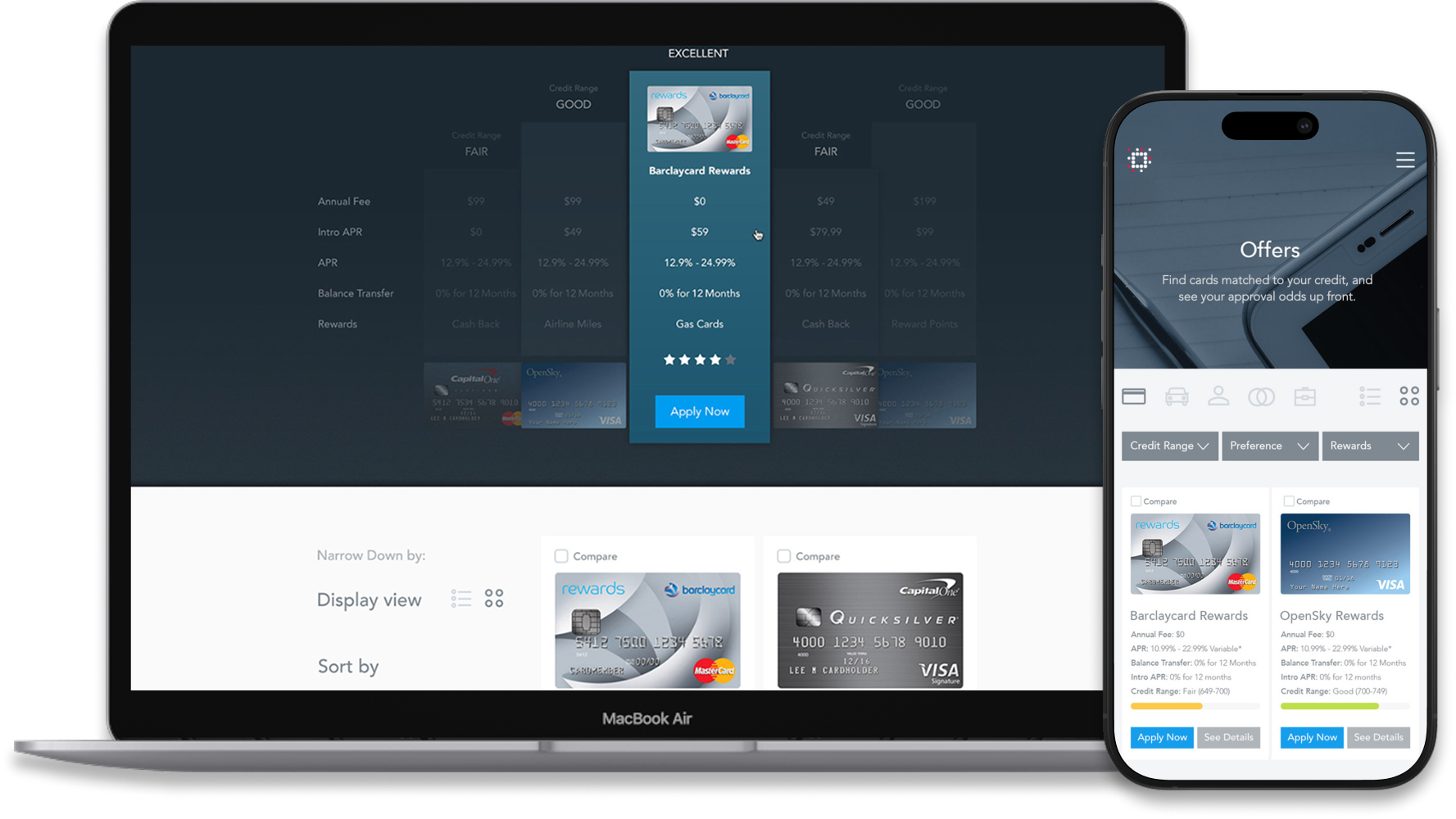
I helped lead the redesign of Experian’s Credit Card Marketplace across web and native iOS and Android apps, including a full visual rebrand to make the marketplace more appealing to browse. This effort addressed the existing marketplace’s dull design and scattered filtering, enhancing card discovery with score-based insights, previews that encourage credit improvement, and subtle nudges to increase user adoption and card partnerships. The redesign made the experience more personal, drawing on each person’s credit profile and how they used the marketplace over time.

Contributions: User research, wireframes, high-fidelity mockups and interactive prototypes.

Pre Redesign After Redesign

Core
Challenges

Users navigated a lackluster Credit Card Offers interface, hindered by scattered filtering and missing score-based previews, reducing interest and applications, while feedback highlighted navigation confusion and skepticism about relevance, tied to efforts to boost partnerships. The core challenge focused on interface clutter, preview gaps and partnership focus, stemming from poor filtering, lack of score-range motivation, and heavy partnership integration.

Key Insights:

Drop-off Rate 0

Uncertainty Rate 0

Overwhelm Rate 0

User
Insights

User interactions and testing revealed preferences, shaping a rebranded, tailored credit offer experience.

Pain Points
1

Filtering Overload

Disorganized filtering options confused users seeking suitable cards, making it difficult to refine their search effectively.

2

Offer Relevance

Inaccurate credit range filters misled users, offering irrelevant cards leading to denials despite approval hints.

3

Partnership Emphasis

An overwhelming focus on partnerships undermined trust in offers, deterring users from engaging fully.

These obstacles informed the development of our unique persona profiles ("Credit Explorer" and "Credit Strategist"), validating initial observations that refined the UX and final design.

Personas

Credit Explorer (New User)

Demographics: Young adult, typically aged 20-35, new to credit management, casually explores financial options.

Goals/Needs: Discover beginner-friendly cards with clear score impact previews, seeking to grasp credit basics and find suitable options.

Pain Points: Overwhelmed by scattered options in the marketplace. Distrusts aggressive promotions and seeks simplicity to avoid confusion.

Behaviors: Scans for quick matches eagerly, responds to high approval odds indications with interest.

Design Influence: Inspired a bold, rebranded layout with intuitive previews.

Credit Explorer

Credit Strategist (Seasoned User)

Demographics: Mature user, typically aged 40-55, credit-savvy, actively managing multiple cards with background in managing credit profiles.

Goals/Needs: Identify premium cards using detailed score-range analysis, seeking tools for suitable options.

Pain Points: Limited customization in the marketplace and no multi-range data for in-depth analysis. Wary of excessive upsells and distracting promotions.

Behaviors: Dives deep into filters and values precision in tailored, personalized offers.

Design Influence: Shaped advanced, organized filters and rebranding alignment for personalization.

Credit Strategist
Competitive Analysis

Early Findings

During the discovery phase, I assessed key credit card platforms like Capital One, Discover, Chase, and American Express, focusing on their own offers, and credit monitoring marketplaces such as Credit Karma and Credit Sesame, all facing challenges with score-based previews. This review uncovered gaps in filtering relevance, application flow, and personalization, noting limited customization, lengthy processes, and outdated accuracy.

1

Market Dominance

Capital One held almost 11% market share, but offered generic previews.

2

Sign-Up Friction

Credit Karma saw 40% drop-offs when it asked people to sign up first.

3

Monitor Limitations

Credit Karma struggled with 45% of its offers being out of date.

4

Gaps Identified

Chase led with 17% volume, but 63% abandonments revealed flow issues.

Competitor Overview

Leading Competitors: Credit Karma, Credit Sesame and Capital One

Journey Flow

Journey Flow for User Paths

A journey flow/decision tree was created to map out various edge cases and paths for both free/non-signed-in users and registered signed-in users, guiding design choices for smooth transitions and identifying areas needing adjustments to support diverse user paths.

Wireframes

Initial Wireframes for Market Insights

Initial wireframes were created to gather insights from stakeholders and users, refining the layout to address scattered filtering and enhance score-based previews, while exploring data visualization with score tracking via interactive visuals and card offer comparisons. These wireframes helped inform various visual and interaction types that shaped the final design, boosting user engagement and card partnerships.

Testing and Outcomes
1

Discovery Approach

Discovery began with user research and competitor analysis, engaging 3-5 users with wireframes to assess initial reactions to the marketplace.

2

Feedback Refinement

Testing with low-fidelity wireframes and hi-fidelity prototypes refined the interface, improving filter accuracy and trust with interactive score previews, enhanced by motion studies for smooth transitions, while exploring user navigation and layout preferences early on.

3

Market Feedback

User feedback praised the rebranded design and score insights, boosting confidence in card selections and partnership offers.

TestingOutcomes

Business
Targets

Reach more people and grow revenue through stronger ties with card issuers. Draw in new visitors with an engaging rebrand, lift application revenue with offers that fit each person’s credit, build deeper relationships with card companies, and gently point people toward Experian’s premium subscriptions.

Target increase (%)

15
Increased User Reach
25
Revenue Increase
15
Increased Collaboration

Key
Objectives

Create a clean, visual interface for exploring credit card offers, boosting trust and applications with score-based navigation and improved filtering.

Streamline Exploration

Divider

Create a cleaner layout for easy browsing of cards that fit each person’s credit profile.

Refine
Selection Tools

Divider

Add better sorting with score-range previews so people can choose with confidence.

Boost
Applications

Divider

Add well-placed prompts that encourage applications and strengthen ties with card companies.

Wireframe Hi-Fidelity

Reflection &
Learnings

Working closely with product managers, engineers, subject matter experts and other designers, I helped turn an outdated credit card offers marketplace into a rebranded, more personal experience on the web and in mobile apps that delivered a 25% conversion lift.

Looking ahead, I’d bring card partners in earlier to refine the personalized partnership model together, so offers fit people and card partners equally well from the start.

Project
Success Metrics

After launch, the rebranded and more personal Credit Card Marketplace grew user engagement, application rates and partner revenue across the web and Experian’s iOS and Android apps.

Engagement Uplift

Divider

User engagement grew 30% after launch with the rebranded interface and its score-based previews, per Experian data.

Application Increase

Divider

Application rates on tailored previews climbed 18% within the first 3 months after launch, as people found cards that fit their credit.

Partnership Growth

Divider

Partnership revenue grew 28% over the six months after launch, as more applications came through the personalized offers.

Other Case Studies